Programme
Urban design plays a key role in creating liveable, sustainable and socially just cities. As one of the most dynamic and fascinating laboratories for contemporary urbanism, Hong Kong and the Greater Bay Area offer a wide range of challenges and opportunities.
The 17-month programme starts with a design studio focusing on collaborative processes for the urban design of neighbourhood spaces. Through engagement with local stakeholders and communities, students will develop speculative proposals and small-scale tactical interventions at real sites. The second studio will focus on larger scale urban challenges, developing comprehensive research and design projects focusing on human-centric urban renewal and regeneration. The thesis projects in the final term will further expand on this theme, using data-driven research methods or history, theory and case study analyses to formulate individual dissertations. Several of the programme’s teaching and learning activities will be organised in collaboration with international and local partners, including a 2-month internship programme where students engage with Hong Kong’s urban design industry to gain experience with projects at a range of scales.
Study Scheme
Students are required to complete a minimum of 36 units of courses for graduation. Available and required courses are listed below.
Required courses: 27 units
Elective courses: 9 units
(i) Required courses:
Lecture Courses
URBD5702, URBD5703, URBD5704 9 units
Studio Courses
URBD5710, URBD5720, URBD6701 18 units
(ii) Elective courses
Any 9 units from the following and courses as approved by the Programme Director:
ARCH5731, URBD5731, 5732, 5733, 5734, 5735 9 units
_____________________
Total: 36 units
Full Course List:
– URBD5702 Environmental and Urban Economics – 3 units
– URBD5703 Urban History & Theory – 3 units
– URBD5704 Research Methods in Urban Design – 3 units
– URBD5710 Urban Design Studio I – 6 units
– URBD5720 Urban Design Studio II – 6 units
– URBD5731 Topical Studies in Urban Design 1 – Urban Processes – 3 units
– URBD5732 Topical Studies in Urban Design 2 – Urban Transport Networks – 3 units
– URBD5733 Topical Studies in Urban Design 3 – Urban Management – 3 units
– URBD5734 Topical Studies in Urban Design 4 – International Workshop – 3 units
– URBD5735 Environmental Design for Liveable and Healthy Cities – 3 units
– URBD6701 Urban Design Thesis – 6 units
– ARCH5731 Topical Studies in Urbanism – 3 units
Other Requirements
(a) Minimum cumulative GPA of 2.0.
(b) A student who obtains a cumulative grade point average (GPA) below 2.0 in the preceding term or receives a failure grade in thesis monitoring courses (for Research Postgraduate Programmes) will be put on academic probation. For details, please refer to Clause 14.0 “Unsatisfactory Performance and Discontinuation of Studies” of the General Regulations Governing Postgraduate Studies which can be accessed from the Graduate School Homepage: http://www.cuhk.edu.hk/gss.
Design Studios
The Urban Design Studios explore theories and methodologies around the conceptualisation and development of comprehensive urban design projects based on in-depth research. Continuing our research into the human-centric urban design processes for liveable, sustainable and healthy cities, we study the historic context, precedents and recent developments around the formation of self-sufficient neighbourhoods and communities, in relation to the practice of urban planning and design.
Studio 1: Urban Collaborative Studio:
‘Urban Design Strategies for Regenerative Neighborhoods’
The city-making process is often decided in the hands of a few, with a developmental mindset that prioritises time and cost efficiency over people in global cities like Hong Kong. This approach has resulted in a top-down view of the city that celebrates grand architecture and infrastructure, while people and everyday life are often left out of the picture. This exclusive planning process has led to social issues such as weakened community ties and misallocation of urban resources. As urban designers, positioned between the decisionmakers and end-users, we have a chance to rethink urban design in a bottom-up way that reconnects people to the city, and question how we can create strategies to influence stakeholders towards urban design that can impact all. How might we rethink our urban condition through “commons” as the inspiration for collective action?
To address these questions, Studio 1 will focus on field work, community engagement, participatory design, and strategic urban renewal approaches for the Yau Ma Tei and Mong Kok areas. Through engagement with key stakeholders from the community, private sector and local authorities, the studio will critically analyse the government’s vision for the regeneration of its old urban districts, balancing economic regeneration objectives with the need for human-centric, community-oriented development. Overall, the studio seeks to promote collective action by embracing the power of local intelligence and resilience, to rethink urban conditions through commons and create a more inclusive and sustainable urban environment.
Studio 2: Urban Regeneration Lab:
Designing Urban Transformations for Cultural and Economic Vitality
In Hong Kong, many older districts have evolved without comprehensive planning—often neglecting open space, community needs, and environmental quality—while favouring economic growth and maximum build-out. Current redevelopment mechanisms tend to erase historic urban fabric and decades-old social networks in pursuit of higher plot ratios and profit margins.
Urban Design Studio II explores theories and methodologies for human-centric urban renewal and regeneration. Via historic, site and user research, students will first obtain a clear understanding of the neighbourhood’s physical characteristics, identity, problems and pain points, and social processes. Precedent studies from around the world will equip them with tools of engagement, intervention, conservation and re-development to formulate their own methodologies in reviving a site or neighbourhood of their choosing. Critical analysis, data mapping, user research and validation, and application of current and proposed planning tools are the basis of a forward-thinking, sustainable and healthy community that balances bottom-up and top-down mechanisms.
If urban metabolism dictates that ageing building stock must be replaced, we must ask: how can this be achieved more strategically and surgically? Can we retain local landmarks and cultural “flavours,” enhance streetscapes and public open spaces, assist with resident relocation, strengthen neighbourhood retail networks, and rebrand district identity— without diminishing development potential? By integrating place-specific heritage, social resilience, and spatial quality into redevelopment strategies, we can align urban transformation with long-term cultural and economic vitality—shaping a more liveable, human-centric urban environment.
Thesis Studio: Self-Directed Urban Design Research
This course covers the general procedures of theoretical inquiry as it relates to urban design. For the thesis, students will develop their own research project and produce an intellectually rigorous piece of work. The topic will be defined in discussion with the instructors, and can be developed based on previous design studio I or II research.
The primary objective of the thesis work is to provide an opportunity for the student to conduct independent research and design work related to a specific interest in the field of Urban Design. The process involves formulating a relevant urban issue, defining researchable questions and developing solutions for the defined problems. Students will implement their knowledge and demonstrate an in-depth capacity to address challenges stemming from the complex ways in which cities function, grow and develop. The students will gain the professional and theoretical tools to conduct research as well as to strengthen their capabilities to support and inform design processes through research.
Previous Year’s Design Studios
2024-2025
Studio I – Urban Collaboratives + Commons
Studio II – The ‘New’ New Town
2023-2024
Studio I – Urban Collaboratives + Commons
Studio II – The ‘New’ New Town: Creating sustainable, liveable and supportive communities as part of Hong Kong’s long-term development
2022-2023
2021-2022
2020-2021
2019-2020
2018-2019
2017-2018
2016-2017
2015-2016
2014-2015
2013-2014
2012-2013
Internship Programme
The internship programme is offered in the summer term to complement the course work. It allows students to gain experience in leading urban design firms in Hong Kong and link their academic research to issues with relevance in professional practice. The programme provides support with the applications to the participating companies, and aims to match each student with the right company according to interests and skills. The internships are paid and participation in the programme is optional.
Companies List 2025
– AD+RG
– Aecom
– Architecture Commons
– ARUP
– Chinachem Group
– Hassell
– LCC (Land + Civilization Compositions)
– One Bite Design Studio
– P&T Group
– SOM
– The OVAL Partnership Ltd
International Workshop
As part of the MSUD programme, an international urban design workshop will be held in different locations around the world. The workshop will be organised with one of our international partner programmes, offering an opportunity to work with additional teachers from renowned institutions.
In May 2025, a study trip and workshop was planned in Berlin, Germany, which included analysis of experimental housing areas, the transformation to the capital after the German reunification, and recent regeneration projects.
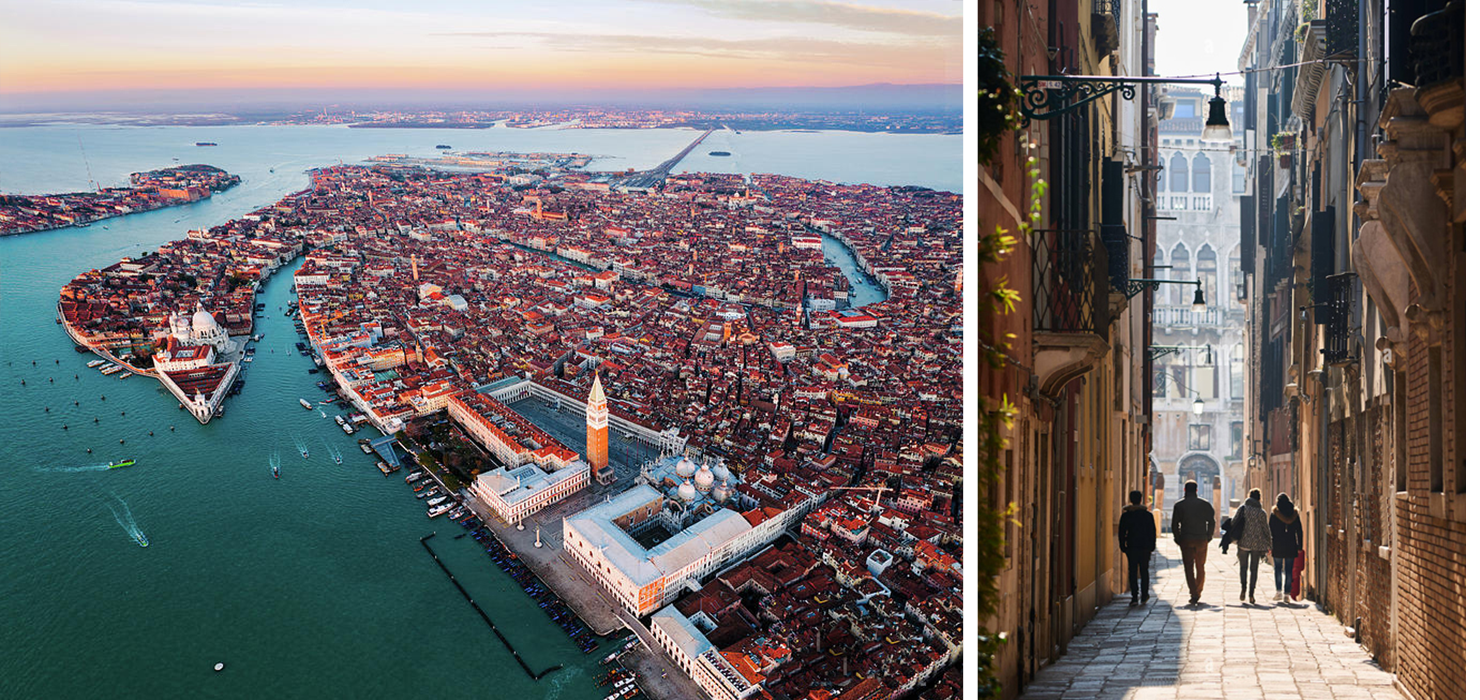
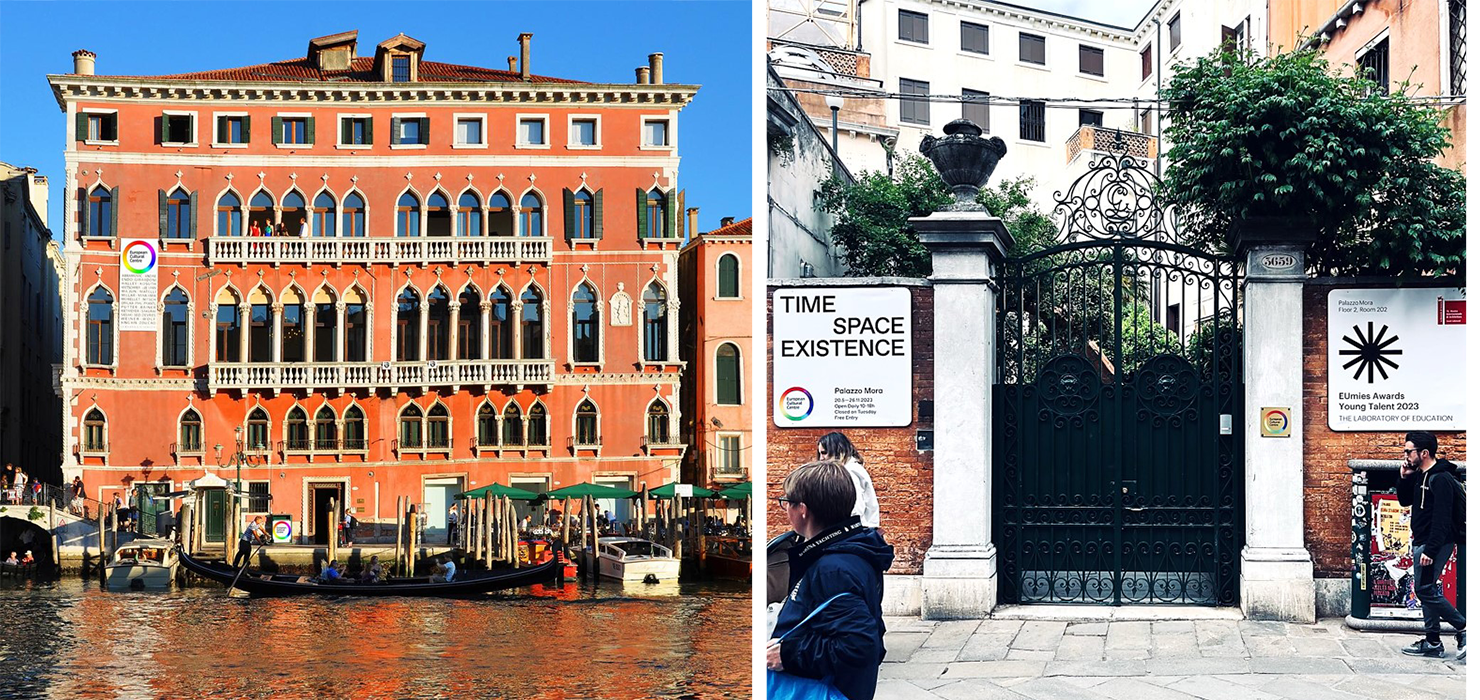
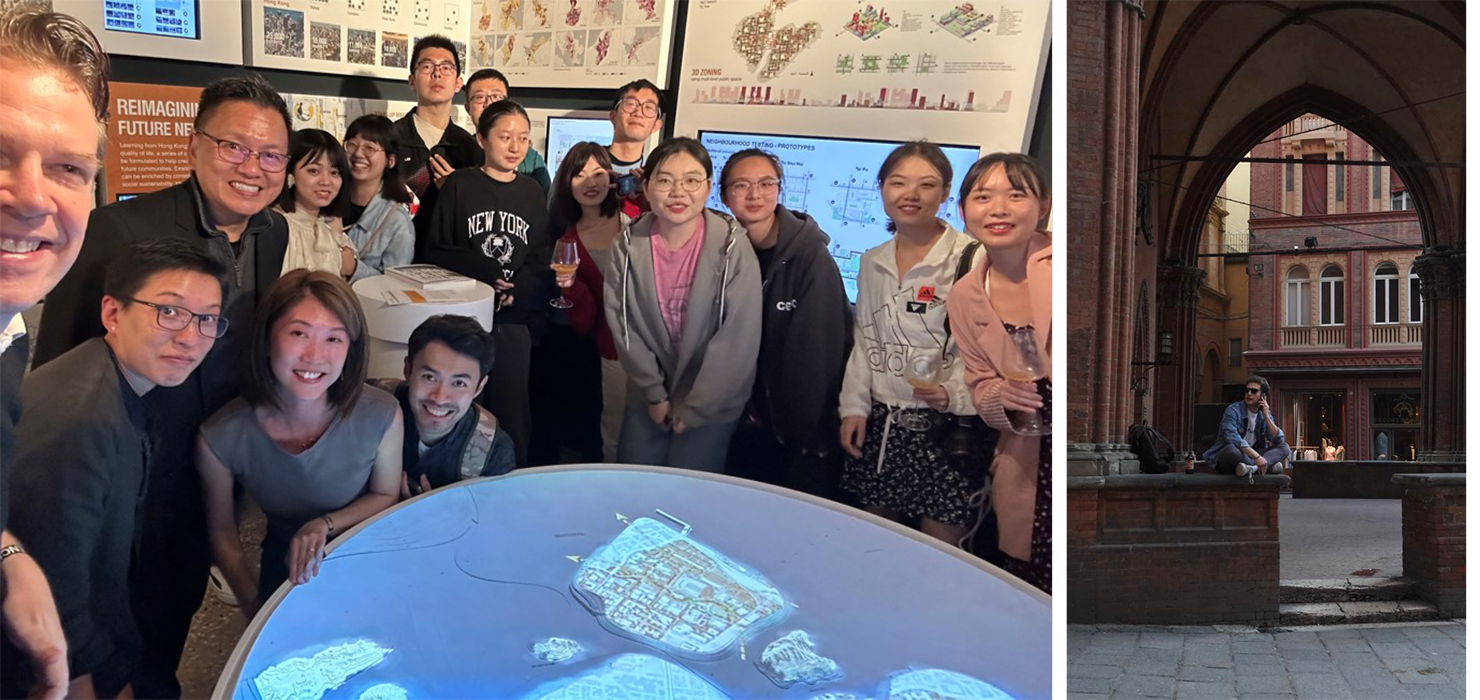
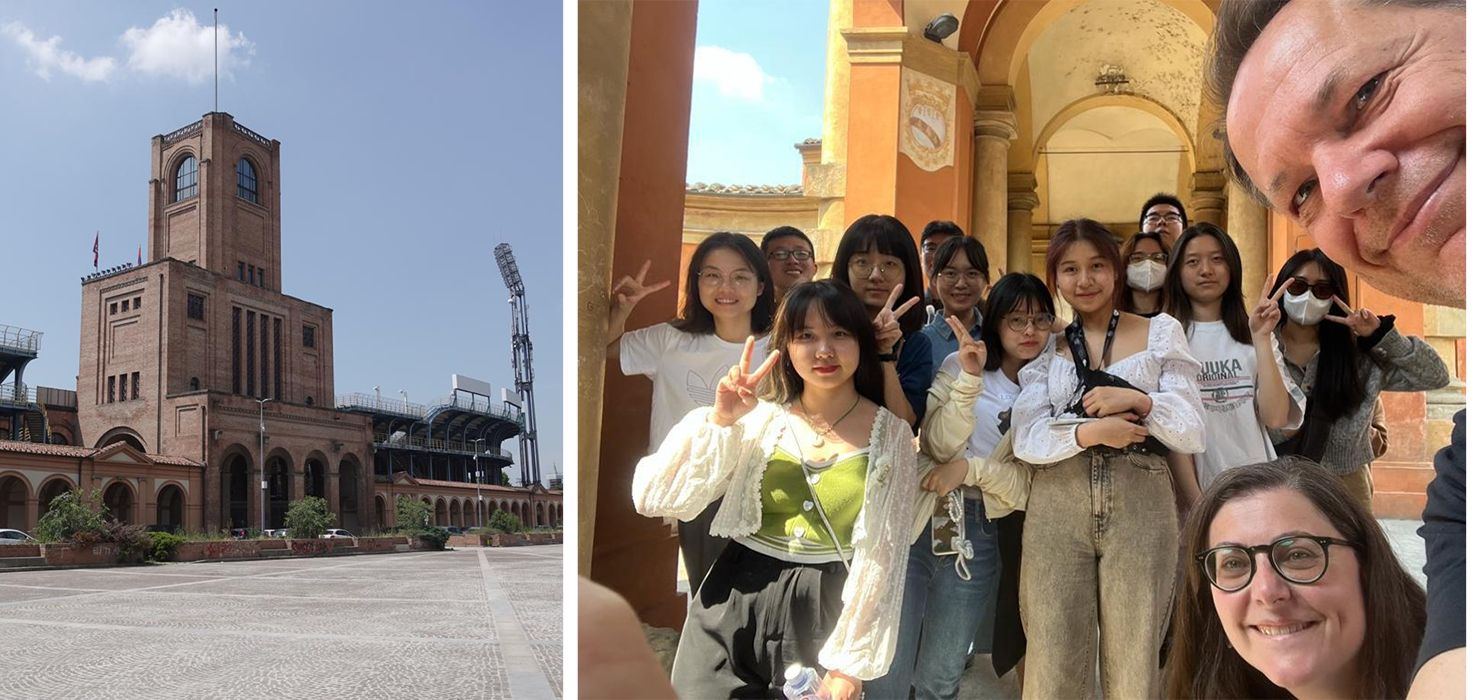
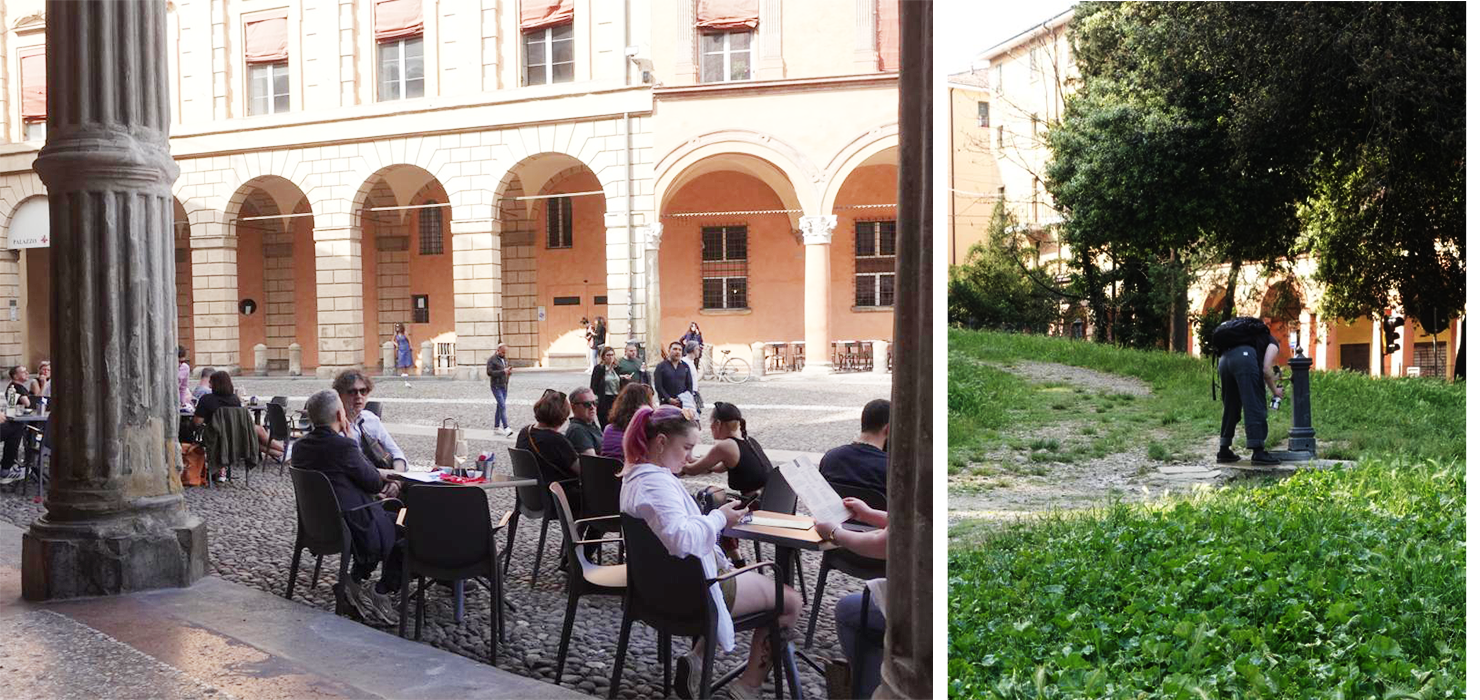
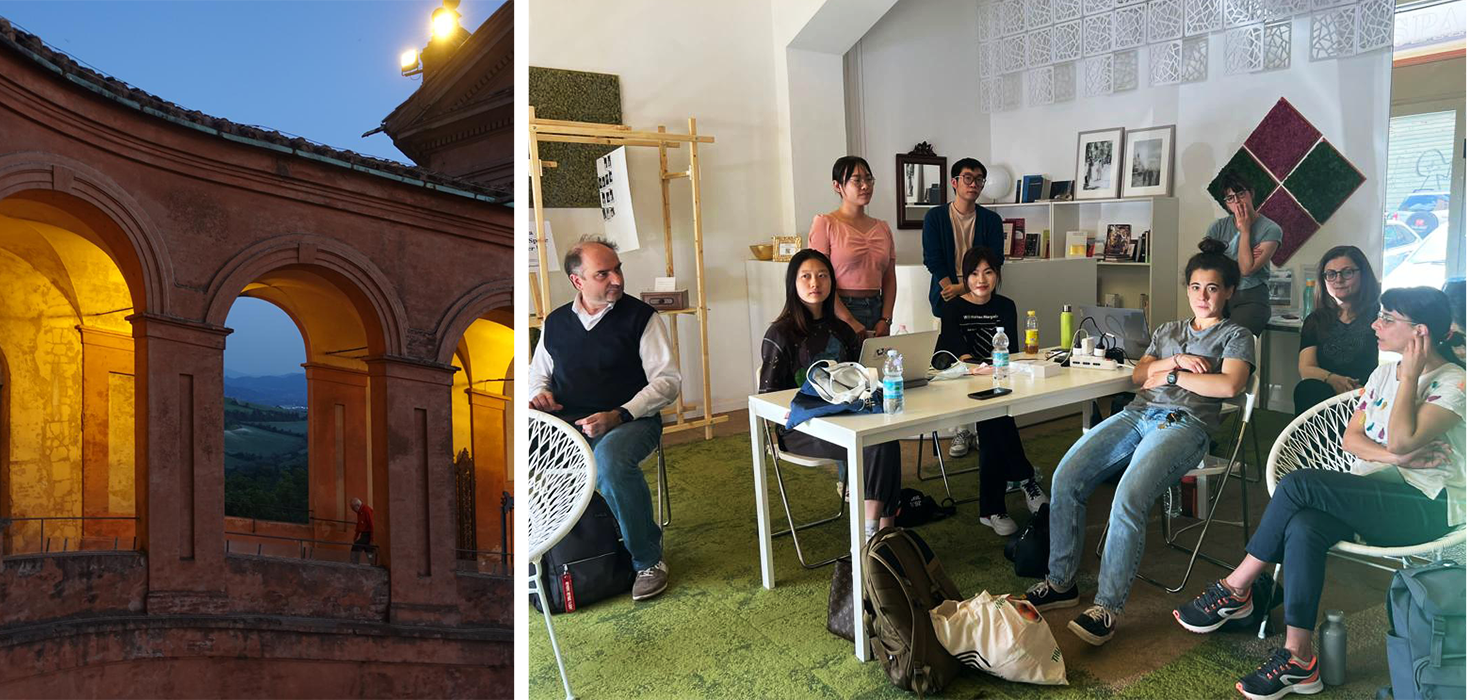
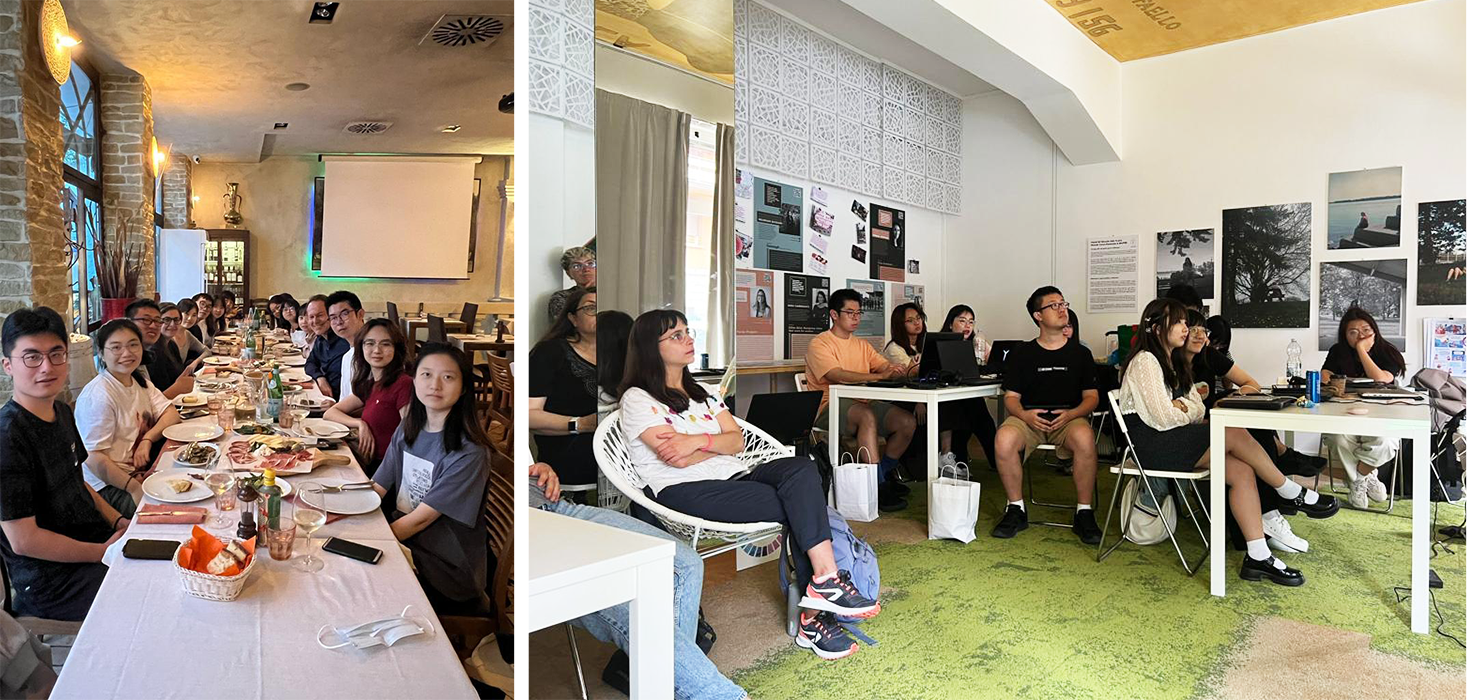
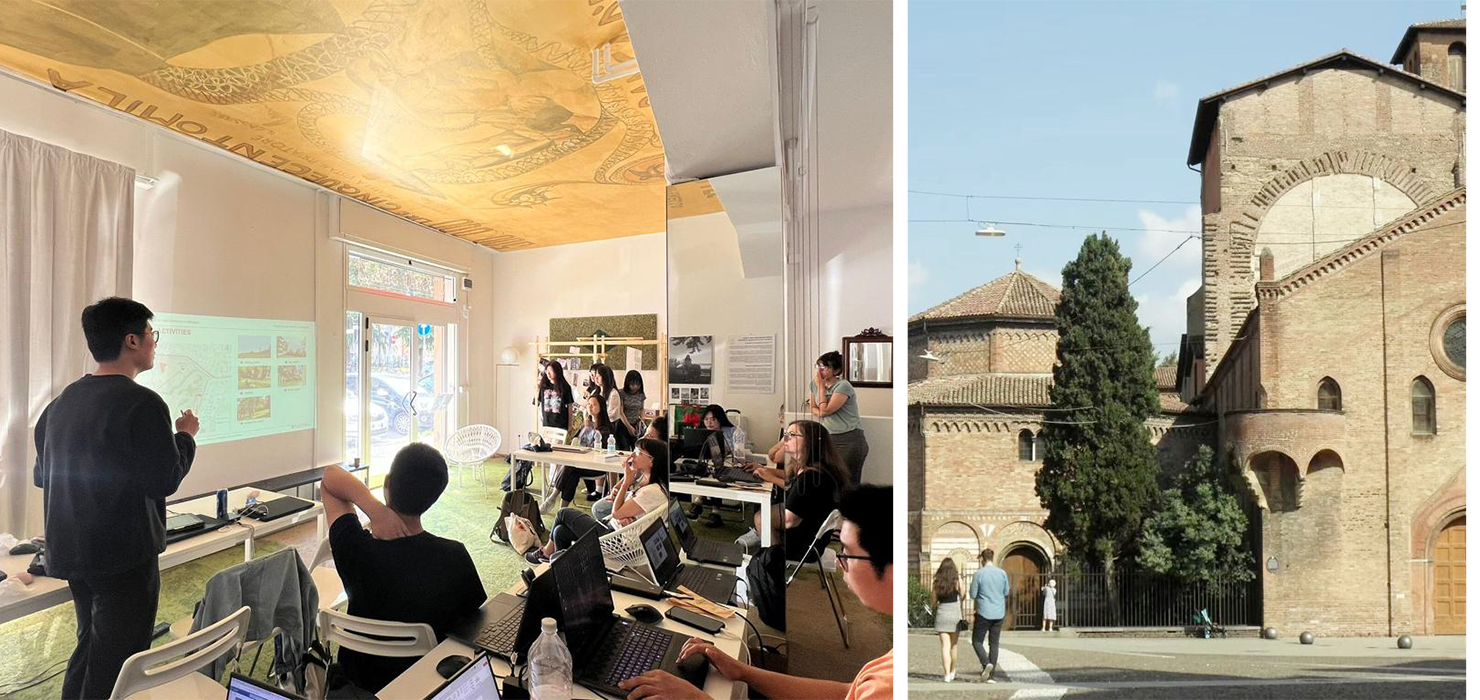
In previous years, the workshops have been held in Bologna and Venice, Italy (2023), and in Barcelona, Spain (2024), as part of our ongoing collaboration with the International Forum of Urbanism (IFOU).


Past study trips:
2025 – Berlin
2024 – Barcelona
2023 – Venice + Bologna
2022 – Hong Kong + New York + Rio de Janeiro (Online)
2021 – Hong Kong + New York + Rio de Janeiro (Online)
2020 – Hong Kong + New York (Online)
2019 – New York
2018 – Lisbon
2017 – Berlin
2017 – Macau
2016 – Berlin + Stuttgart
2014 – Taipei
2014 – Barcelona
2013 – Taipei
2013 – Vancouver + Seattle + Portland
Accrediting Organisations and Partner Institutions
The Master of Science in Urban Design programme of the School of Architecture at the Chinese University of Hong Kong has received accreditation from the Hong Kong Institute of Urban Design (HKIUD). The Hong Kong Institute of Urban Design (HKIUD) was established at June 2010 and is a group of professionals who aim at promoting urban design through accreditation, discussion and education.

The Master of Science in Urban Design programme of the School of Architecture at the Chinese University of Hong Kong has received “specialist” accreditation from the Royal Town Planning Institute (RTPI). RTPI is a leading membership organisation and a Chartered Institute responsible for maintaining professional standards and accrediting world class planning courses nationally and internationally.
Established in 2004, the International Forum on Urbanism (IFoU) (www.ifou.org) is a network of 23 distinguished universities, research institutes and knowledge centres across Asia, Europe and South America, with the task to strengthen the international collaboration in the field of Urbanism. The Chinese University of Hong Kong (CUHK) and the IFoU jointly organized the 10th conference of the International Forum on Urbanism and workshops such as IFoU 2013 Winter School.
About us
Launched in 2012, the M.Sc. in Urban Design programme of the School of Architecture at the Chinese University of Hong Kong aims to prepare committed designers to engage with these challenges. Through a multidisciplinary combination of design studios and focused modules, students develop design skills while integrating new knowledge about essential areas for urban design, such as community participation, ecosystems and transport networks.
Admission
